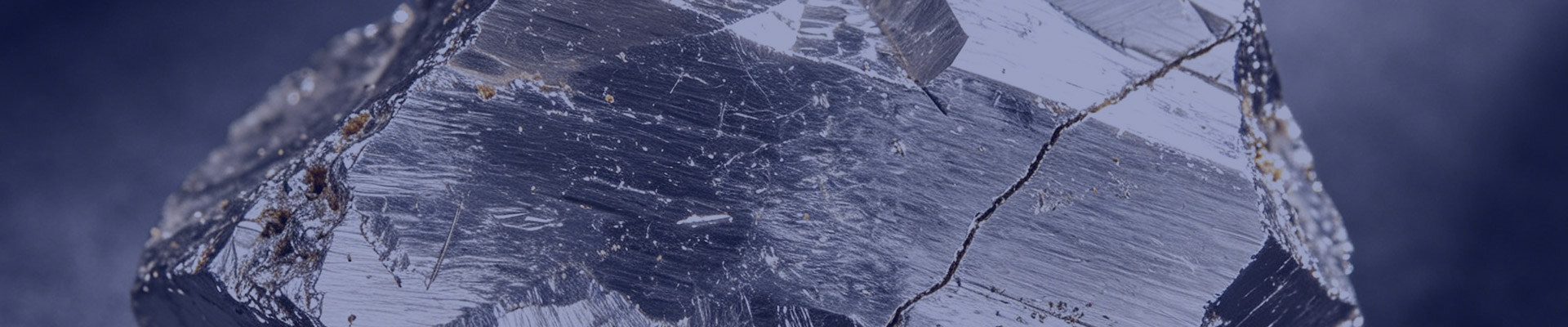
Overview
Silver ore is the primary raw material for silver extraction, and processing efficiency directly affects precious metal recovery and overall project economics. Producing a marketable silver concentrate from raw silver ore requires the integrated operation of multiple processing stages, including crushing, grinding, flotation, and slurry handling. The process flowsheet and equipment selection should be based on ore characteristics(ore hardness, mineral liberation size, associated minerals), capacity, and target concentrate grade to ensure stable operation, control operating costs, and improve precious metal recovery.
Silver ores can vary significantly in mineralogy and may contain valuable metals such as lead, zinc, and copper. Different ore characteristics require different beneficiation routes. The key to process design is to select suitable separation methods based on the ore properties to maximize the recovery of silver and associated valuable minerals.
Applications
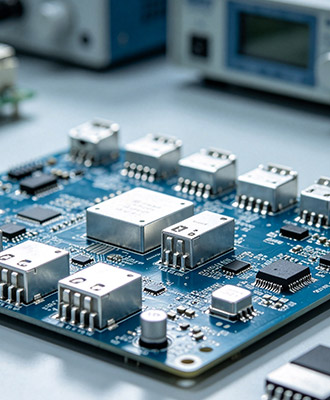
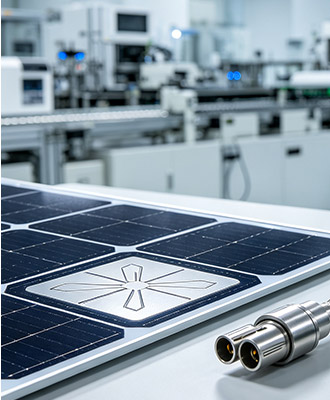
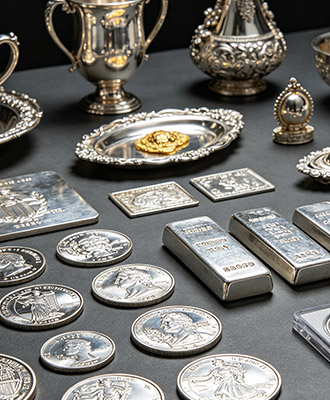
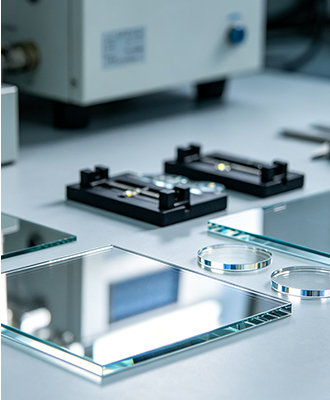
After smelting and refining, silver concentrate is converted into metallic silver for use in a wide range of industries, including electronics and electrical equipment, new energy applications, jewelry, coins and precious metal crafts, chemicals and advanced materials, silver brazing alloys, mirror coatings, and specialty glass.
Key Processing Flow
Silver ore processing typically involves three core stages—crushing, grinding, and flotation. Each stage is closely linked to the others and plays a direct role in determining silver concentrate grade and metal recovery.
Crushing
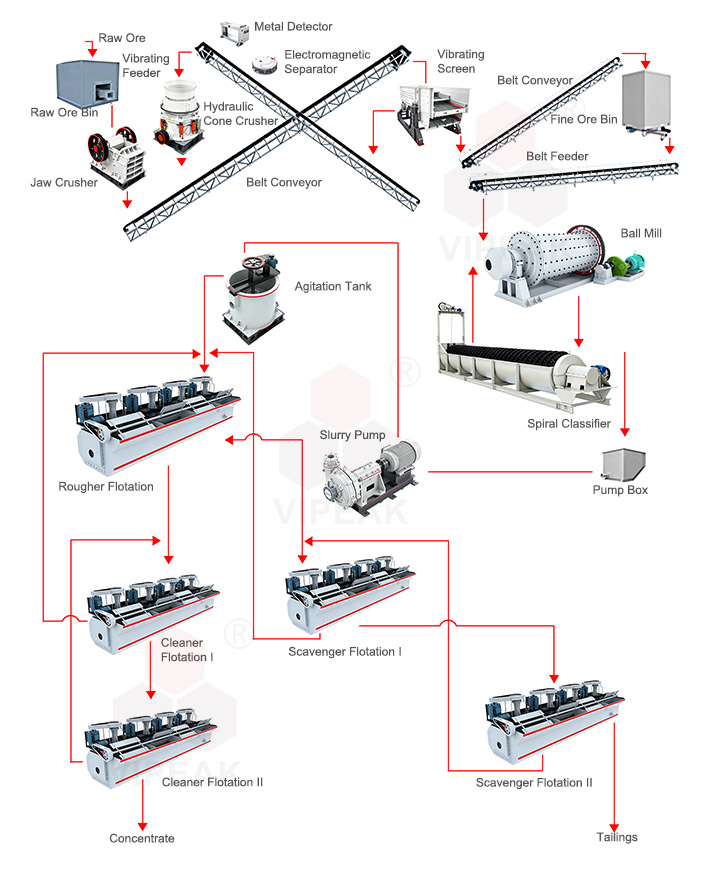
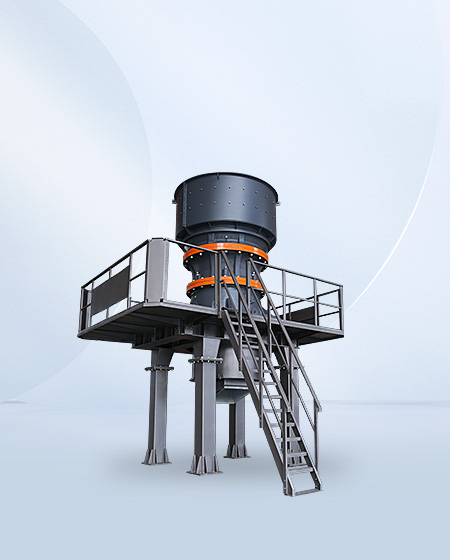
Following the “crush more, grind less” principle, the circuit uses two-stage crushing. Raw ore is fed from the ROM bin to a jaw crusher for primary crushing, then conveyed to a hydraulic cone crusher for secondary crushing. An electromagnetic iron separator and metal detector protect the crushing equipment from metal debris.The crushed ore is screened by a vibrating screen. Properly sized material is sent to the fine ore bin, while oversize material returns to the crushing circuit, forming a closed circuit before grinding.
Grinding and Classification
Ore from the fine ore bin is fed at a controlled rate to the ball mill via a belt feeder and belt conveyor. The mill discharge flows to a spiral classifier, forming a closed grinding circuit. Coarse material is returned to the ball mill for further grinding, while properly sized slurry flows to a pump box and is transferred by a slurry pump to the conditioning tank for reagent addition and mixing.
Flotation
Conditioned slurry enters the flotation circuit. Rougher flotation produces a rougher concentrate,which is upgraded through two stages of cleaning to produce the final silver concentrate. Rougher tailings proceed to two stages of scavenging to recover residual silver minerals. Scavenger concentrate is returned to the rougher circuit for further flotation, while the second-stage scavenger tailings are discharged as final tailings.
Key Equipment
Feeder, jaw crusher, hydraulic cone crusher, belt conveyor, electromagnetic iron separator, vibrating screen, ball mill, spiral classifier, slurry pump, conditioning tank, and flotation machine.

Project Cases


Project Services
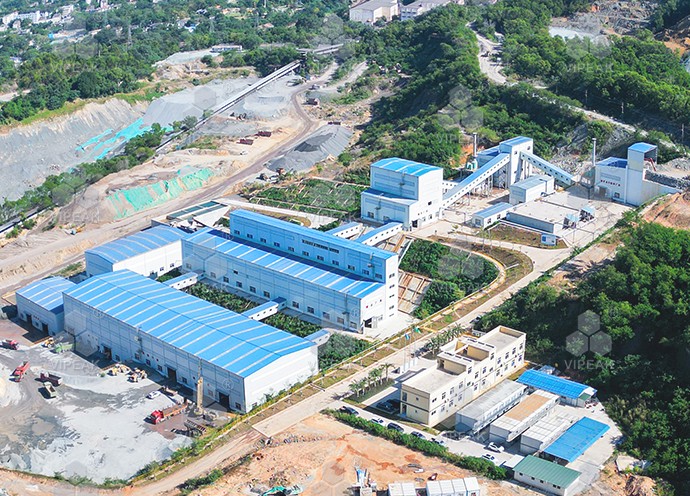
We provide full-process technical services including ore washability test, process flow design, complete equipment selection, on-site installation & commissioning, and production technical guidance. Customized process solutions are developed according to ore samples and site conditions to help projects boost metal recovery and cut operation & maintenance costs.
-
Beneficiation Test
-

Process Design
-
Equipment Selection & Configuration
-
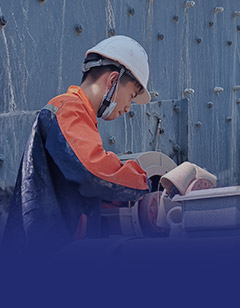
Installation & Commissioning
-
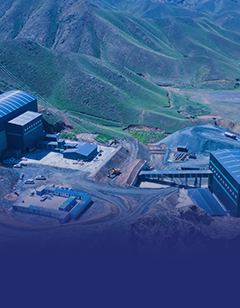
Full‑Plant Operation